Technology

Crawler Inspection
Systems

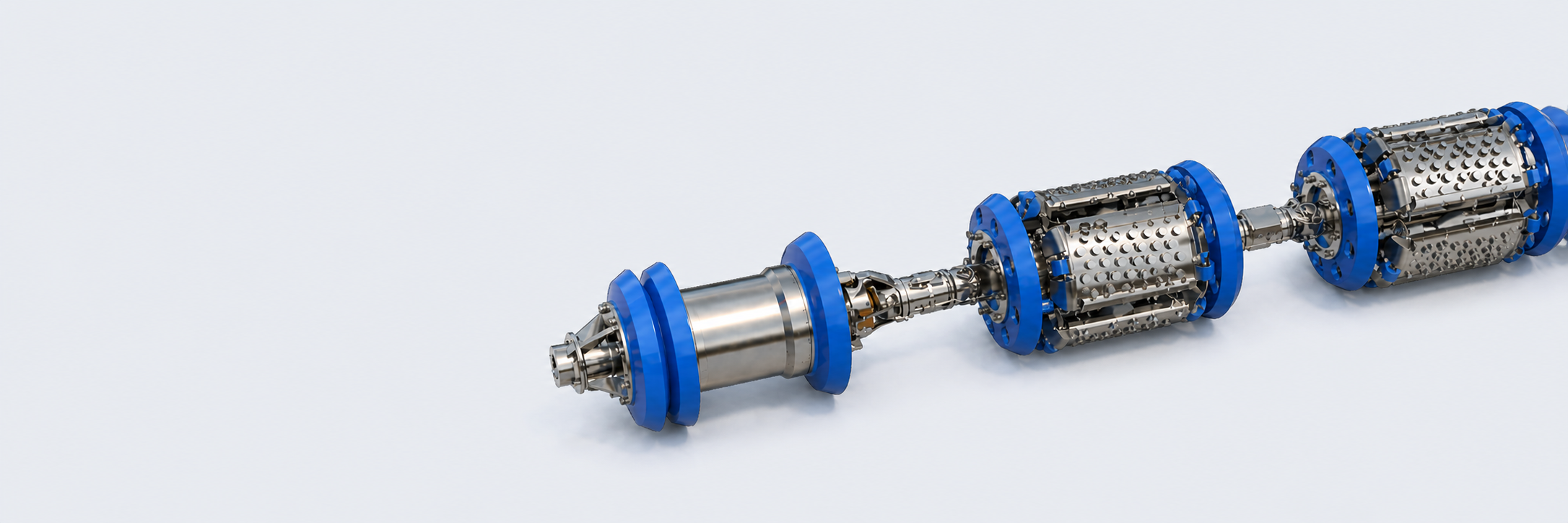
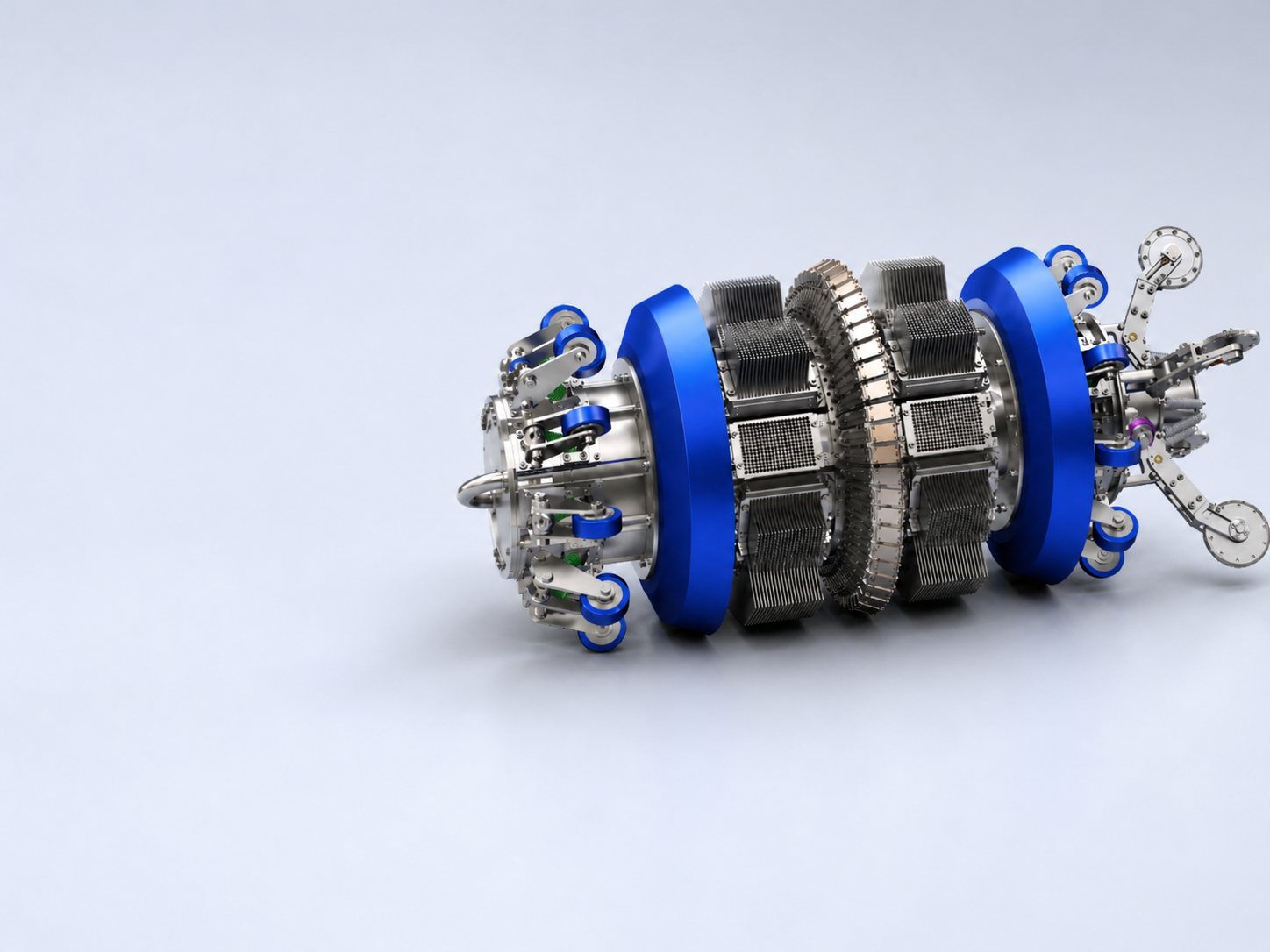
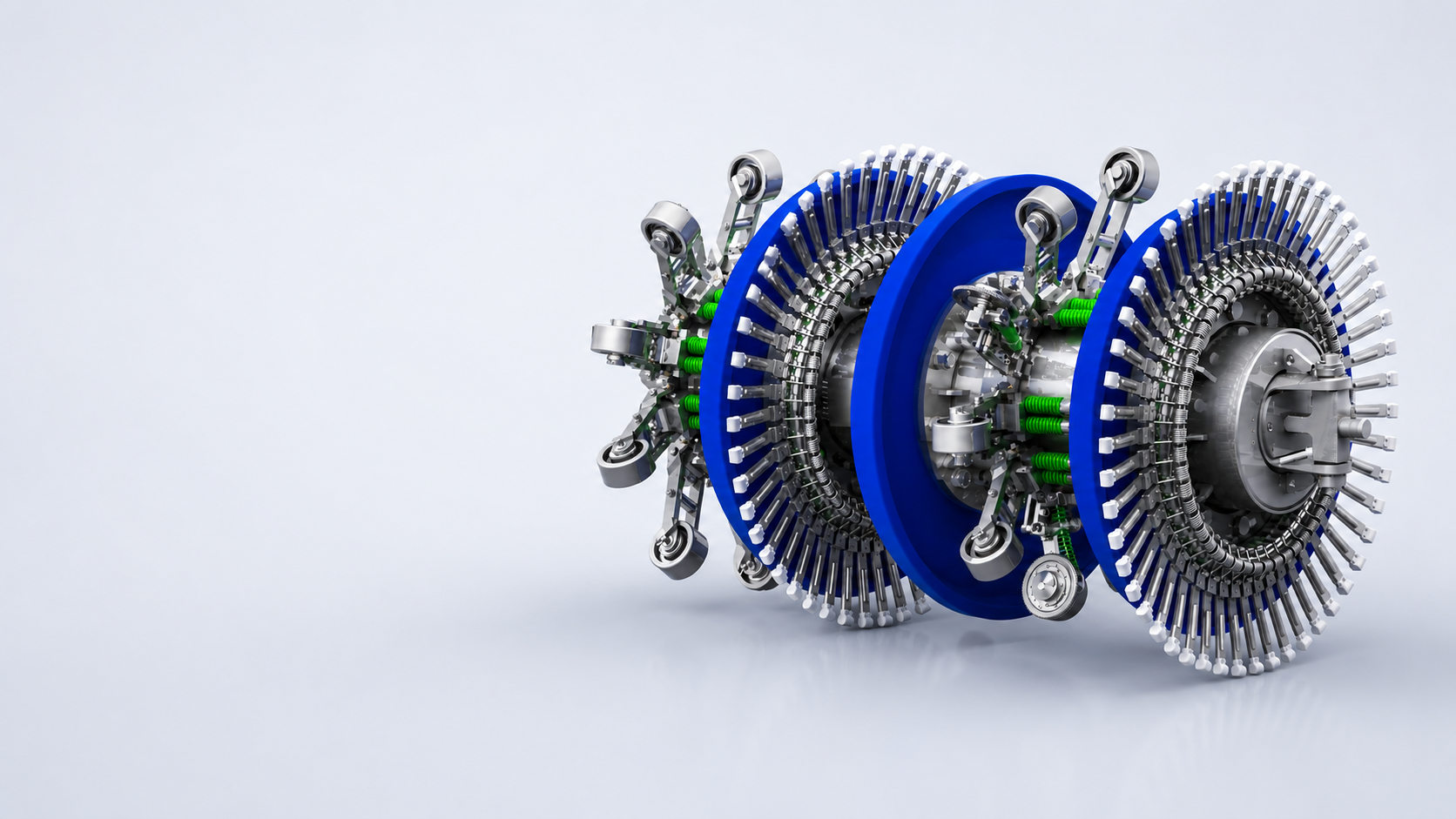
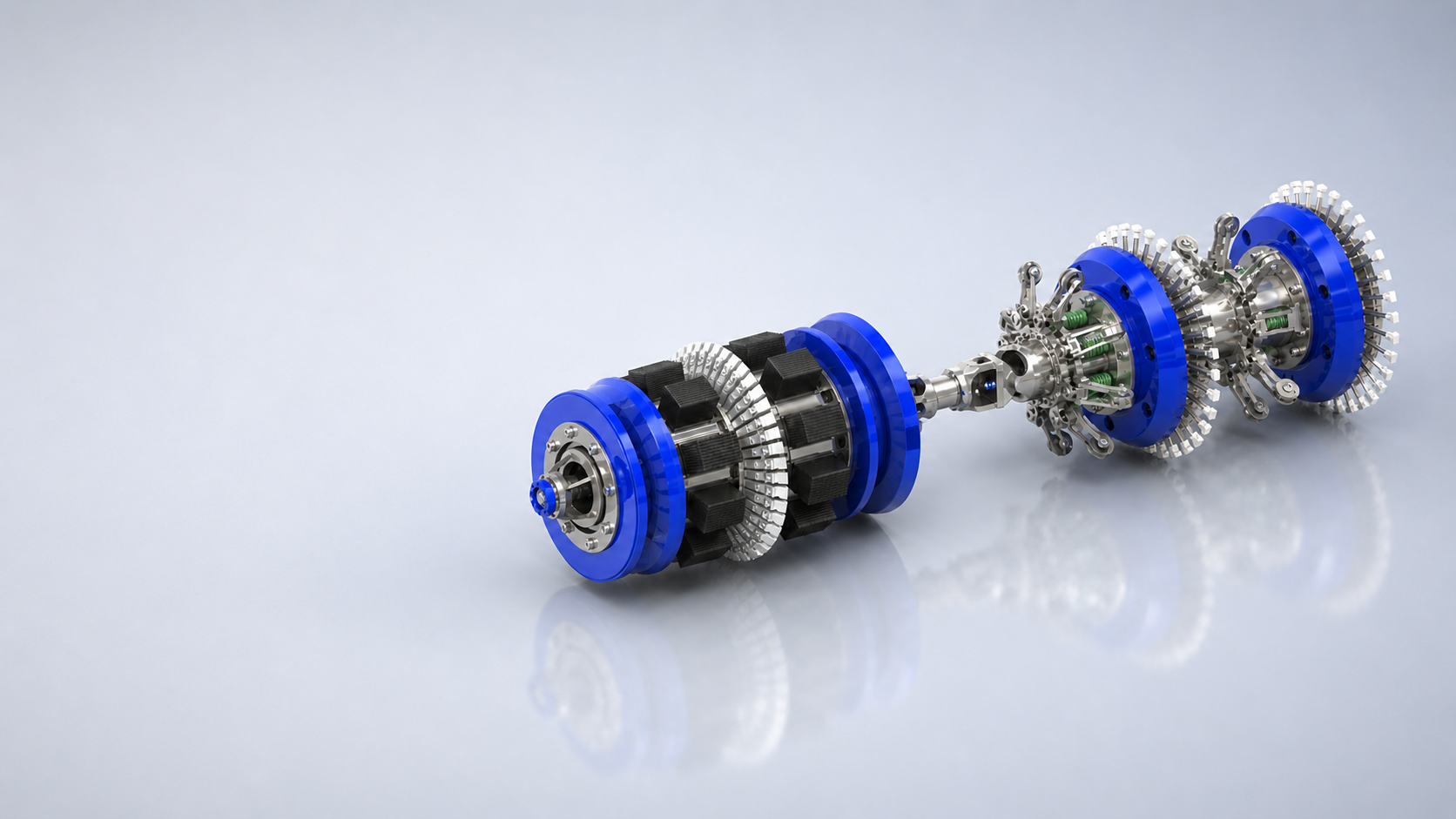
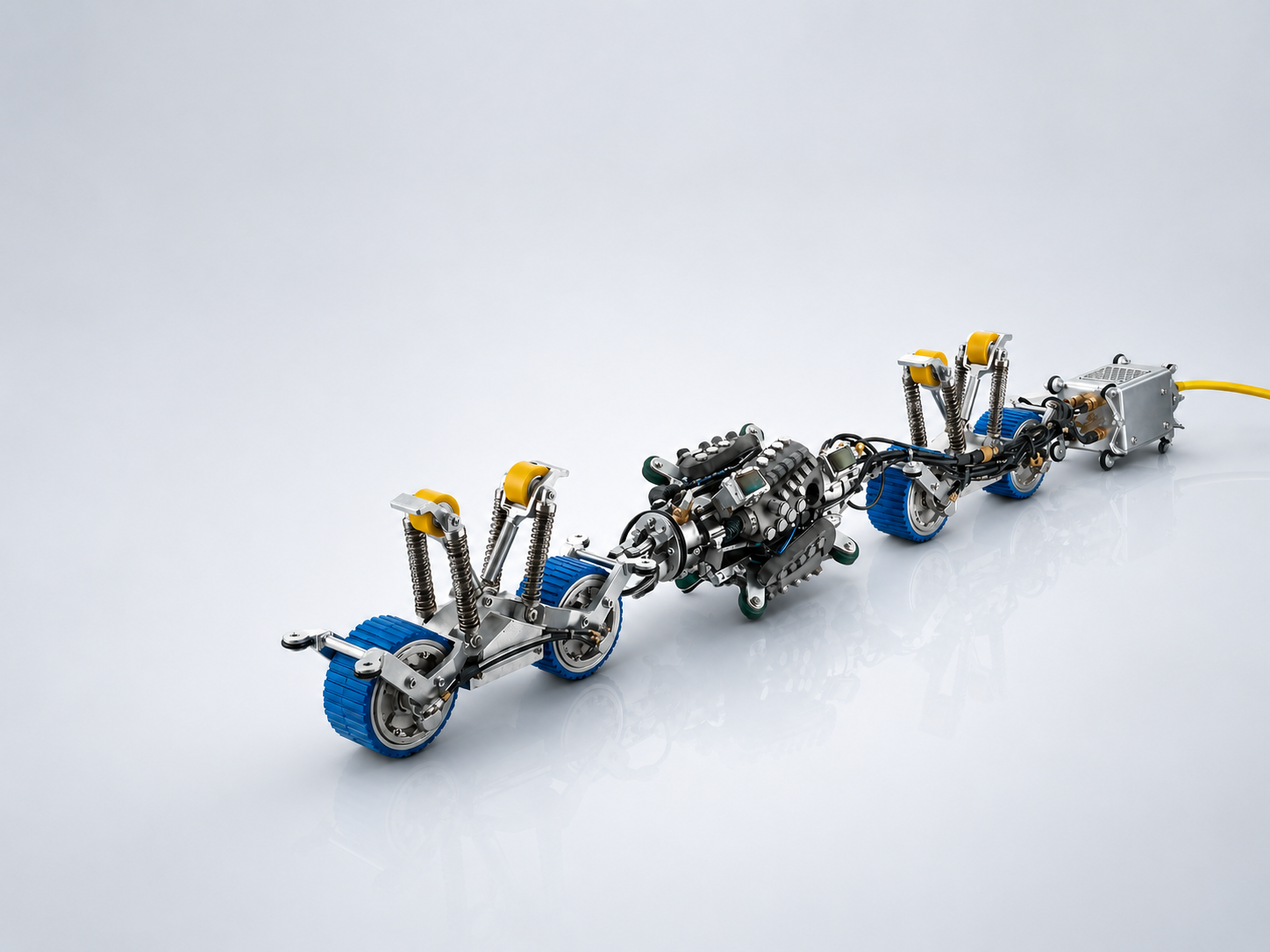
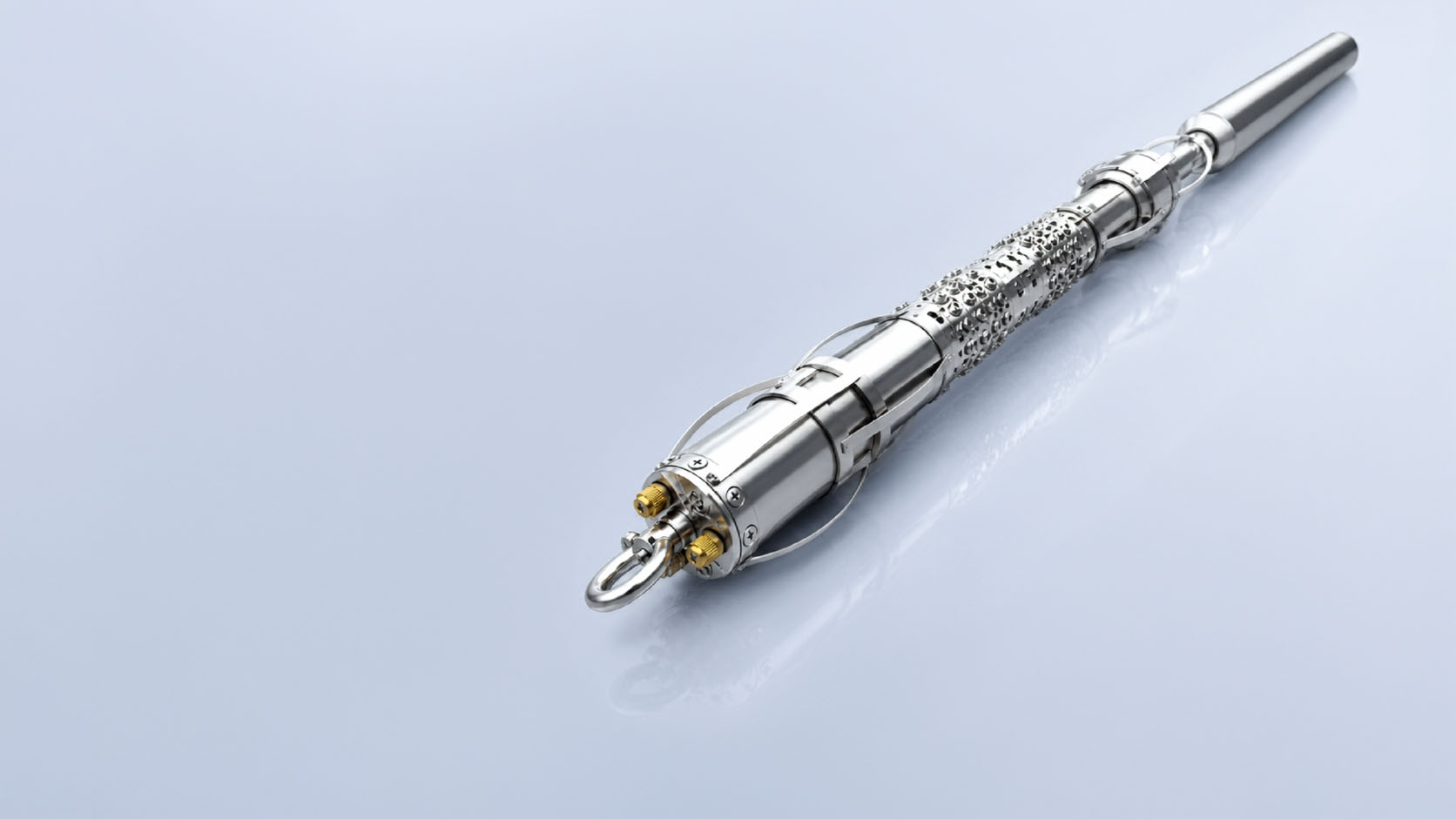
PIPECARE Crawler Systems inspect pipelines that are too complex, restricted, or inaccessible for traditional in-line inspection tools. Using self-propelled traction, modular sensor packs, and high-mobility design, crawler inspection delivers reliable integrity data in unpiggable lines, short segments, facility piping, zero-flow conditions, and pipelines with severe restrictions.

Crawler inspection systems for unpiggable and restricted pipelines

Inspection made possible where ILI cannot go

A crawler is a powered, self-propelled inspection device that moves through the pipeline using electric motors instead of product flow.
This allows inspection of:
  • Unpiggable or difficult-to-pig pipelines
  • Short segments and facility lines
  • Pipelines with no launcher/receiver
  • Pipelines with severe restrictions or 90° bends
  • Valve-heavy or urban networks
  • Zero-flow or low-flow conditions
Crawler systems bring high-quality inspection data to locations previously unreachable.
Crawler systems are the ideal solution for:
  • Unpiggable pipelines
  • Facility piping & station networks
  • Offshore risers / J-tubes
  • Loading lines
  • Pipelines with no flow
  • Segments between valves
  • Short sections (500 m – 5 km)
  • Urban and industrial pipelines
Self-propelled traction
independent wheel motors for maximum grip
High mobility
navigates bends down to 1.5D, depending on size
Chevron logo - global energy company, PIPECARE client
Restriction capability
passes up to 80%+ diameter reductions

Technologies

PIPECARE provides In-Line Inspection Services to locate, identify and size these threats and support your integrity management requirements.
We use a whole range of measuring instruments that allow us to detect corrosion, cracks, weld anomalies, and deviations in the shape of pipelines and determine their dimensions.