PIPECARE GROUP

A Global Leader in Complete Pipeline Solutions

PIPECARE delivers pipeline inspection, integrity assessment, cleaning, and repair solutions for operators worldwide.

800,000+
km Inspected
90+
Countries
27+
Years of Experience
They trust us

Trusted by leading energy operators

Technologies

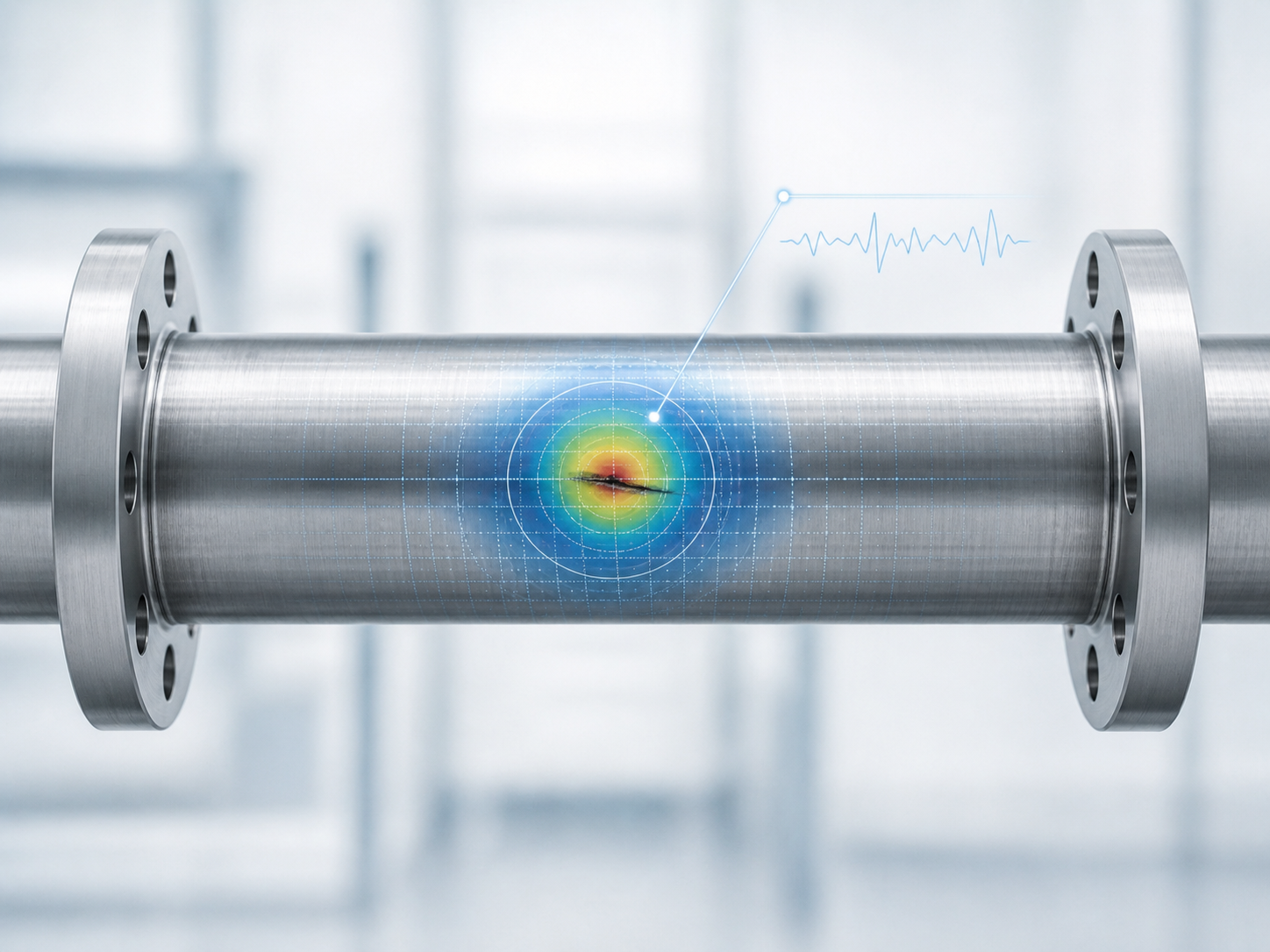
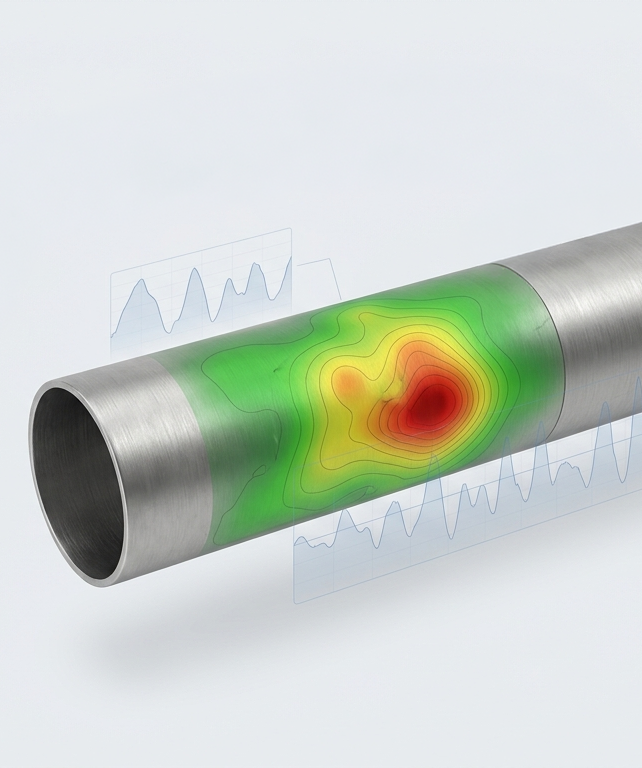
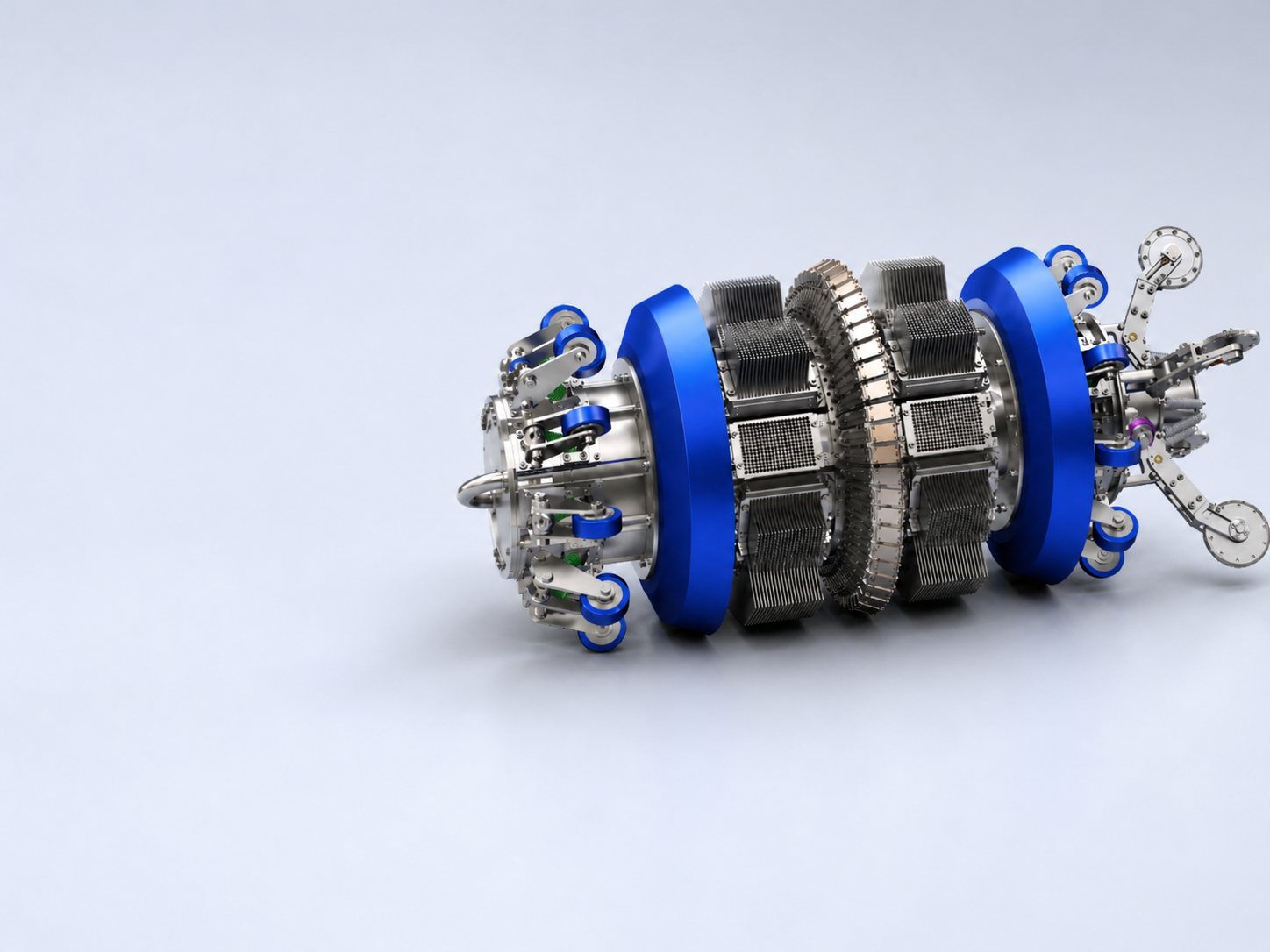
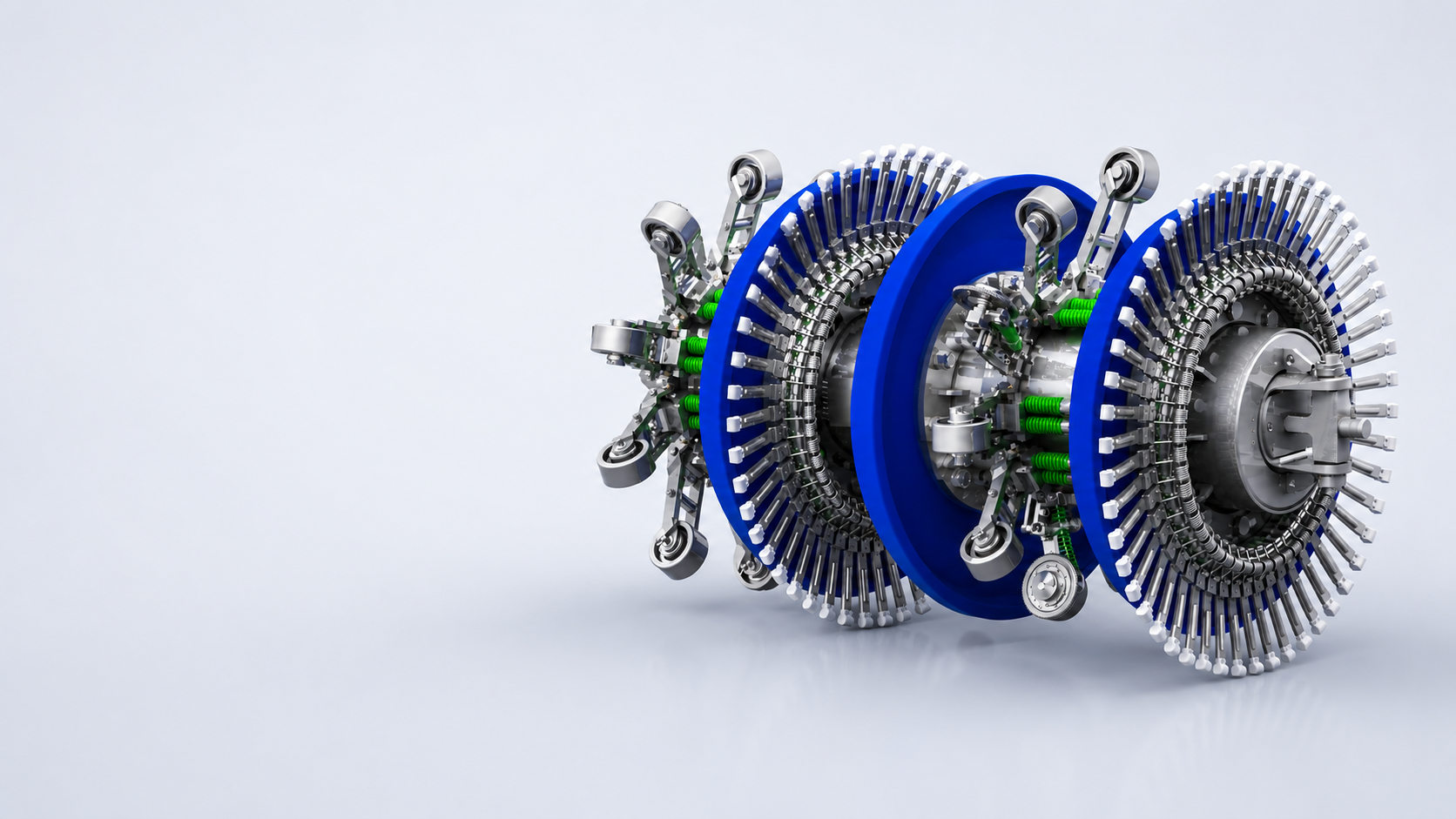
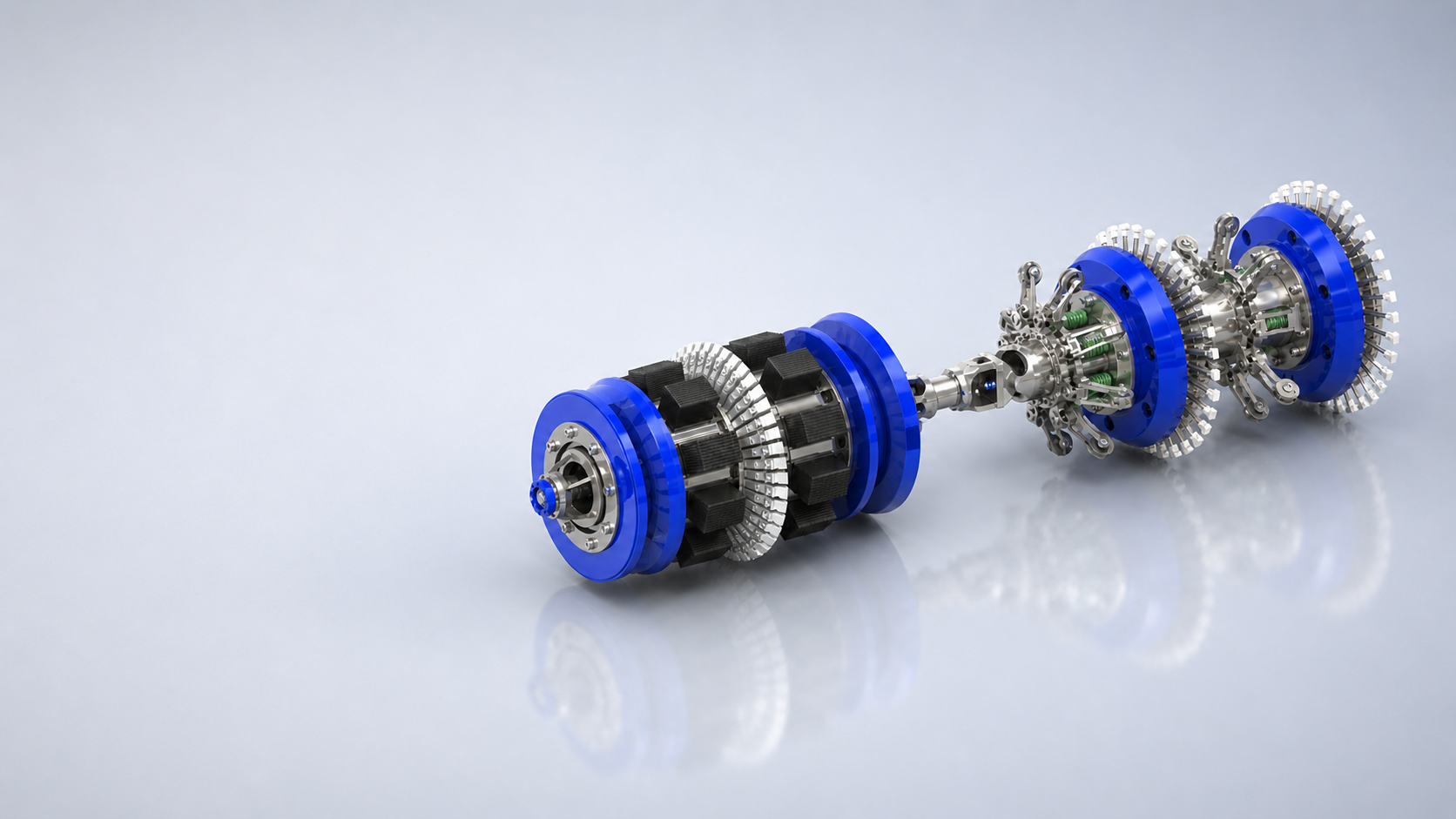
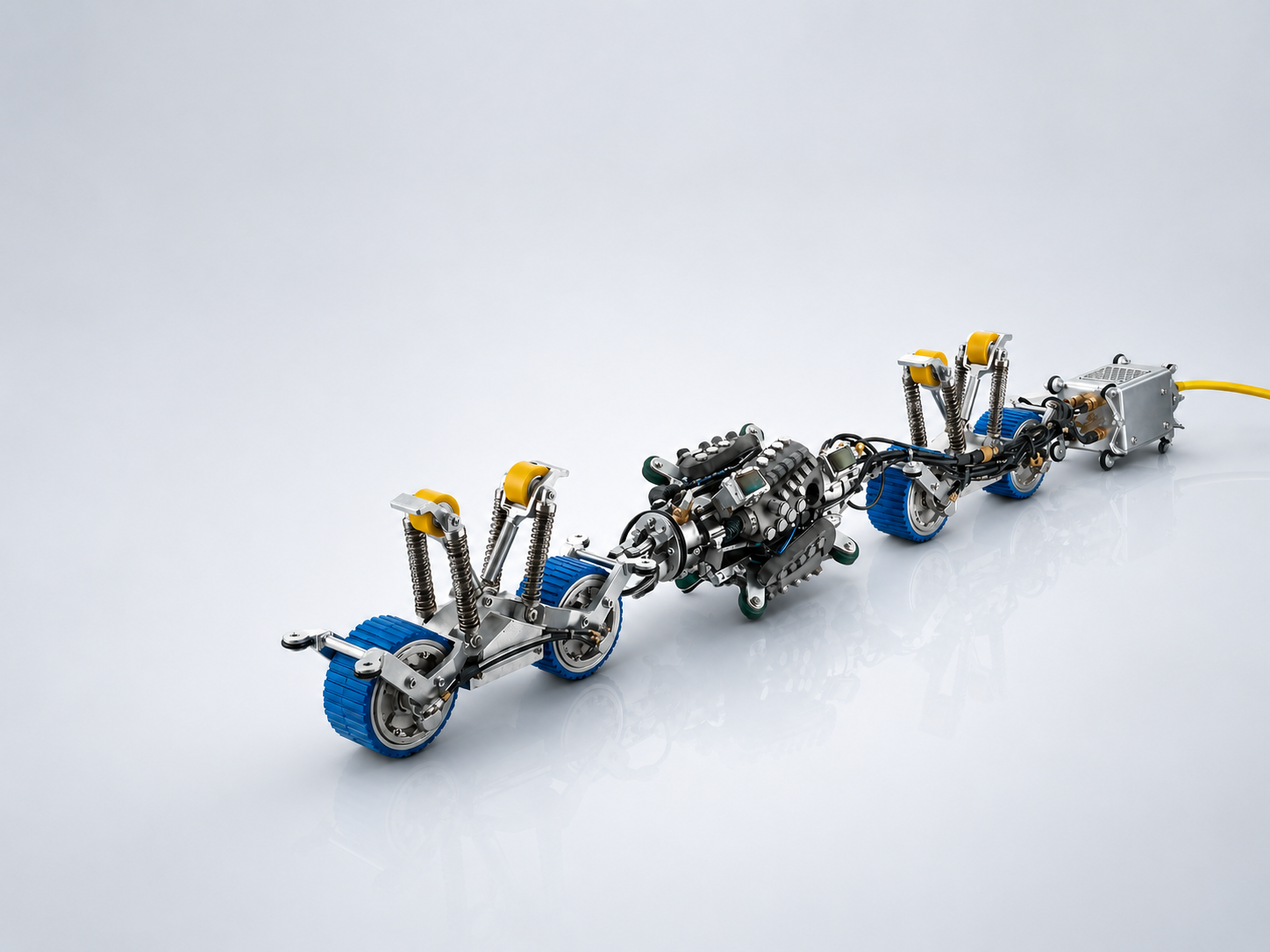
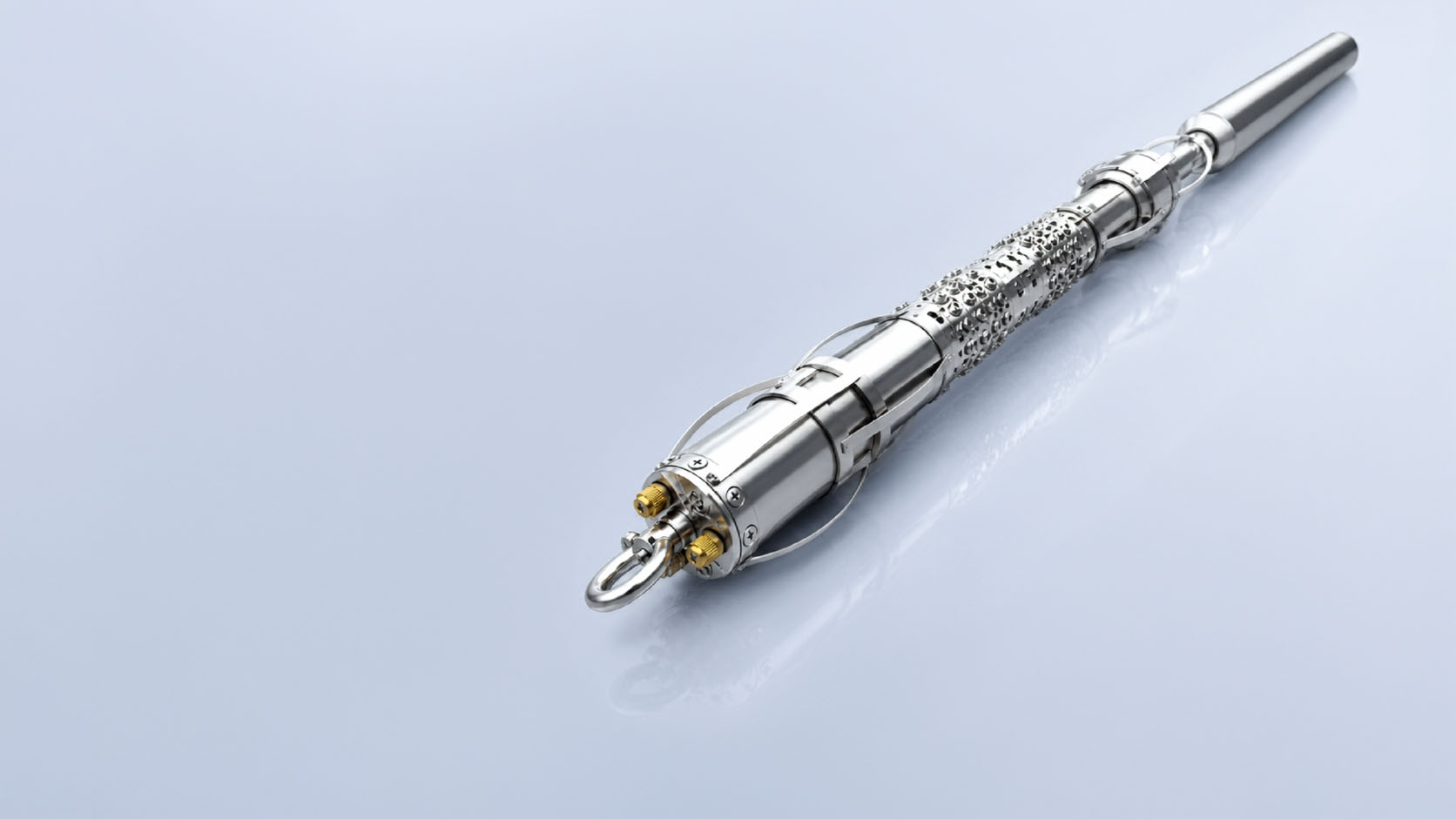
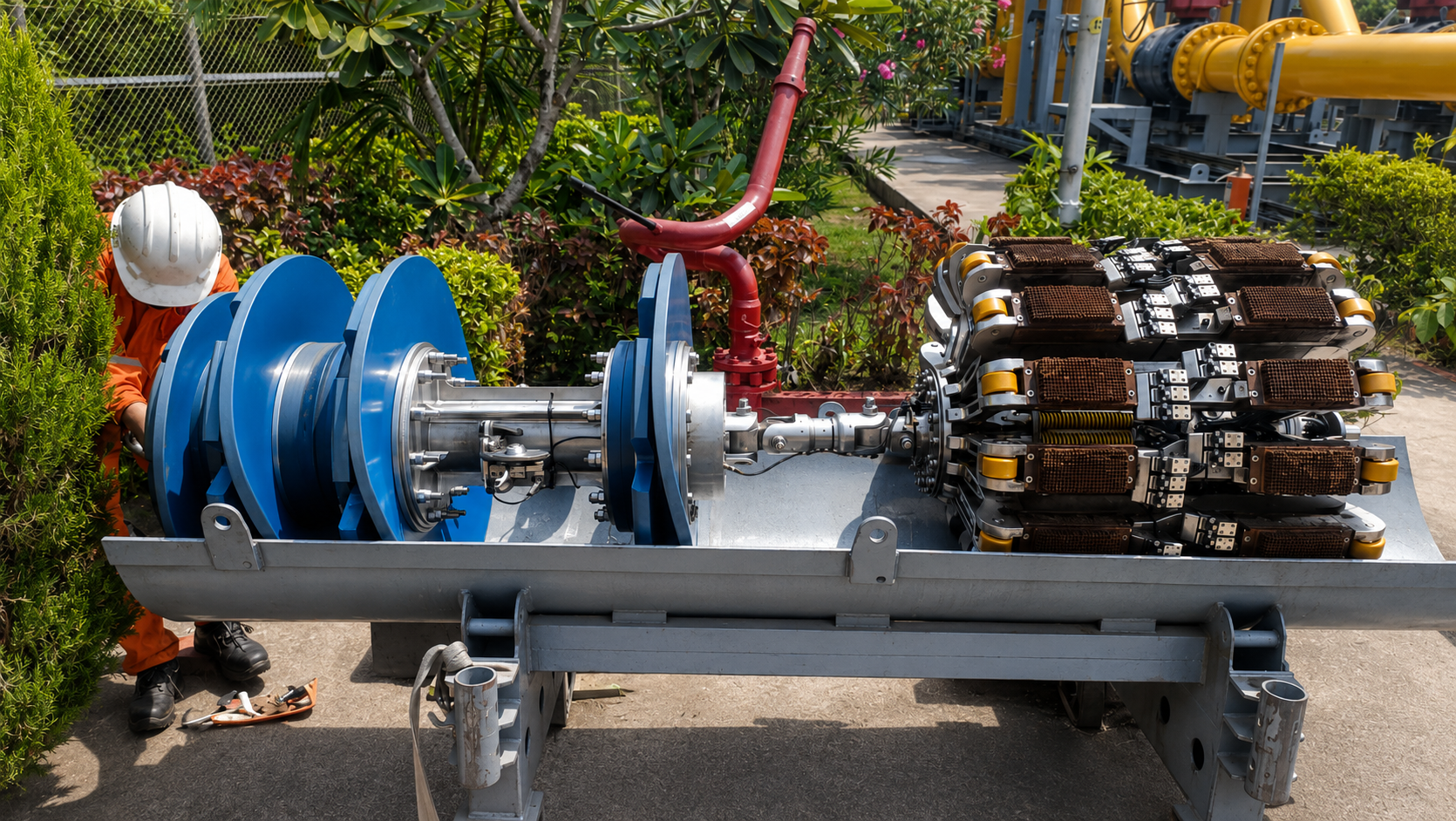
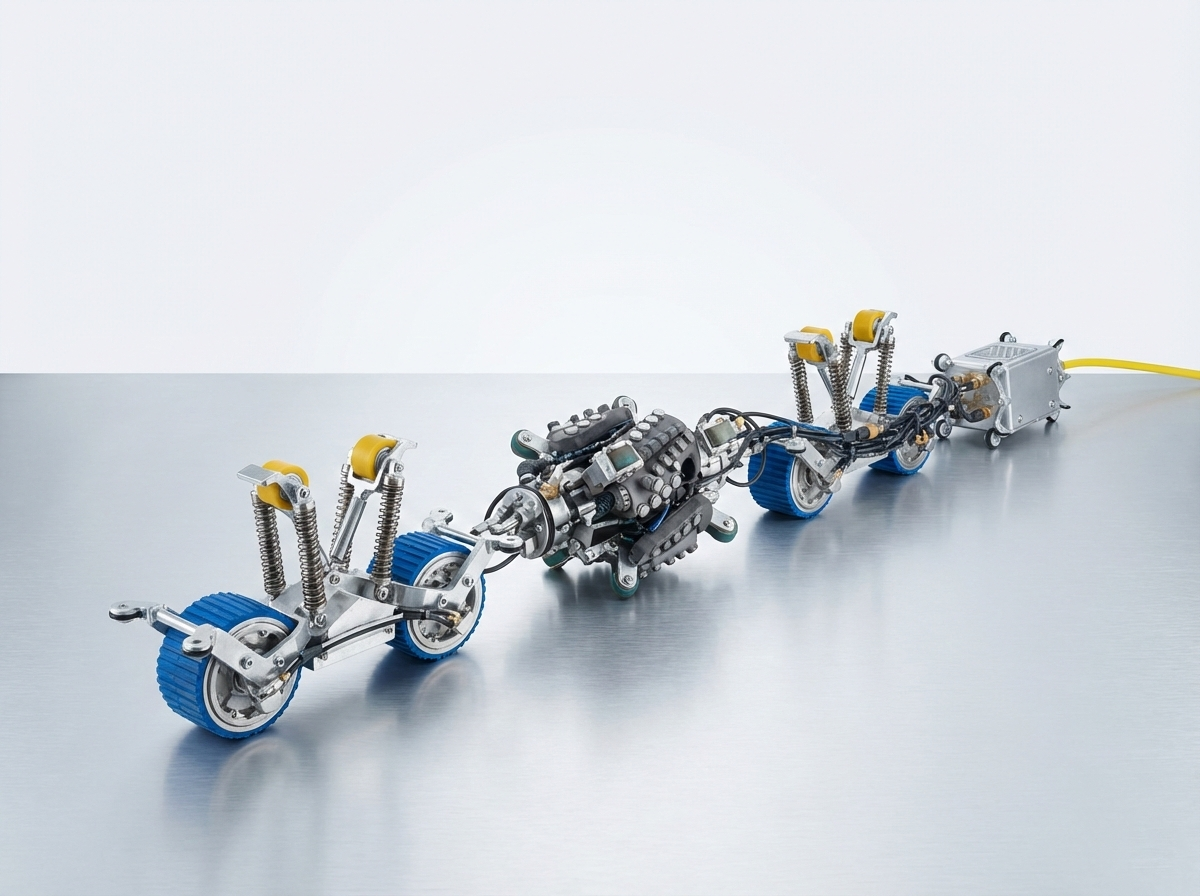
PIPECARE provides In-Line Inspection Services to locate, identify and size these threats and support your integrity management requirements.
We use a whole range of measuring instruments that allow us to detect corrosion, cracks, weld anomalies, and deviations in the shape of pipelines and determine their dimensions.
Decision tool

Match your pipeline threats to the right technology

Our Threat Matrix maps every common anomaly — corrosion, cracks, geometry, deposits — to the technologies that detect, size, and assess them. Use it to identify the right inspection method for the threats in your line.

Ensure your pipeline integrity
Contact us today to discuss your inspection needs and discover how PIPECARE’s innovative solutions can enhance the safety, reliability, and performance of your network
Get in Touch

Case Studies & News

Discover PIPECARE’s latest insights, case studies, and industry updates on pipeline integrity and advanced inspection technologies.

FAQ

PIPECARE supports pipeline operators with in-line inspection, cleaning, tool manufacturing, data analysis, and integrity services for oil, gas, water, and industrial pipelines. These FAQs answer common questions about inspection technologies, difficult pipeline conditions, tool selection, and reporting.
General FAQs
Find answers to common questions about our services, inspection technologies, and how PIPECARE works.
What does PIPECARE do?
PIPECARE provides pipeline integrity services, in-line inspection technologies, cleaning solutions, repair support, data analysis, and inspection tool manufacturing for oil, gas, water, and industrial pipeline operators. Our work helps detect, size, and assess threats such as corrosion, cracks, dents, wall loss, deposits, restrictions, geometry changes, and other pipeline integrity risks.
Which industries does PIPECARE serve?
PIPECARE serves oil and gas pipelines, water transmission networks, refineries, petrochemical plants, loading lines, and multi-product pipeline systems. Our services support operators that need reliable pipeline condition data for maintenance planning, risk reduction, regulatory compliance, and long-term asset integrity.
Where does PIPECARE operate?
PIPECARE has offices and operational presence in 17 countries and operates in more than 90 countries worldwide. This global network supports pipeline inspection, cleaning, data analysis, and integrity services across the Middle East, Europe, Asia, Africa, and the Americas.
Does PIPECARE manufacture its own inspection tools?
Yes. PIPECARE designs, manufactures, tests, and maintains its inspection tools in-house. This allows stronger control over quality, tool readiness, customization, maintenance, and continuous improvement based on field experience, inspection results, and specific project requirements.
In-Line Inspection Technologies FAQs
Find answers about PIPECARE’s in-line inspection technologies, tool selection, defect detection capabilities, and inspection data workflow.
Which in-line inspection technologies does PIPECARE provide?
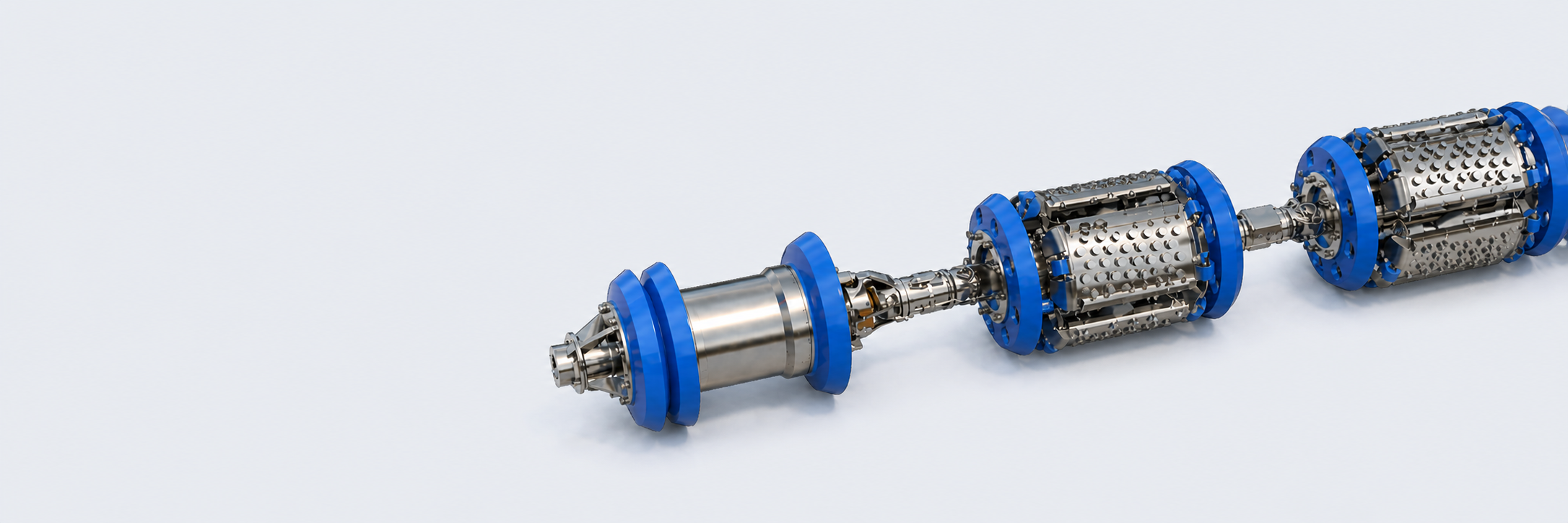
PIPECARE provides multiple in-line inspection technologies, including MFL, TFI, UTWM, UTCD, EMAT, caliper tools, cleaning tools, and combination inspection tools. PIPECARE supports inspection and cleaning tools from 4 inches to 56 inches, depending on the technology, pipeline configuration, product, bend radius, launcher and receiver dimensions, and inspection objective.
What is the difference between MFL, TFI, UTWM, UTCD, EMAT, and caliper inspection?
MFL is used mainly for metal loss and corrosion detection. TFI supports detection of certain longitudinally oriented metal loss features. UTWM measures wall thickness using ultrasonic technology. UTCD supports ultrasonic crack detection. EMAT supports crack-like threat detection without conventional liquid coupling. Caliper inspection detects geometry changes such as dents, ovality, restrictions, and deformation.
Can PIPECARE combine multiple inspection technologies in one run?
Yes. PIPECARE can provide combination tools or combined inspection programs depending on the pipeline condition and inspection objective. Combining technologies can help detect multiple threat types, reduce operational downtime, and provide a more complete integrity picture in fewer inspection runs.
Can PIPECARE inspect unpiggable pipelines?
PIPECARE can assess unpiggable or difficult-to-pig pipelines and recommend inspection solutions based on pipeline geometry, access points, operating conditions, and inspection objectives. Solutions may include special tools, customized procedures, cleaning programs, engineering assessment, or alternative inspection methods. Bi-directional inspection tools are commonly used for difficult lines where tool retrieval, limited access, or complex conditions require movement in both directions.

Contact Us

Thank you! Your submission has been received!
Oops! Something went wrong while submitting the form.