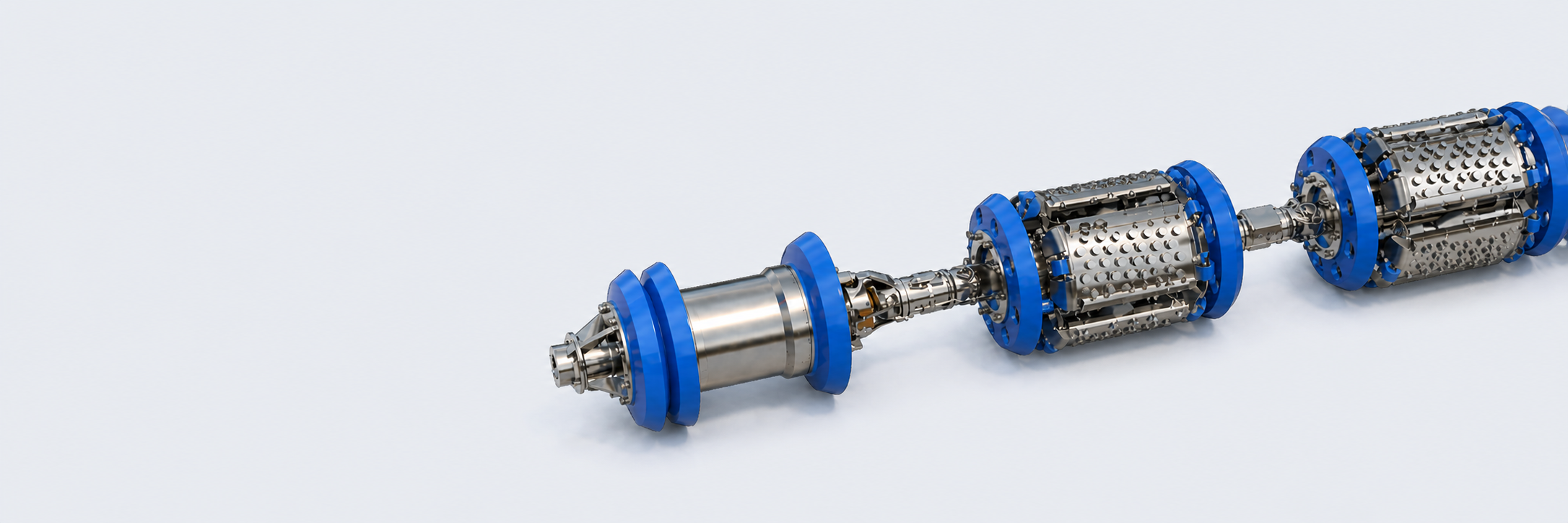
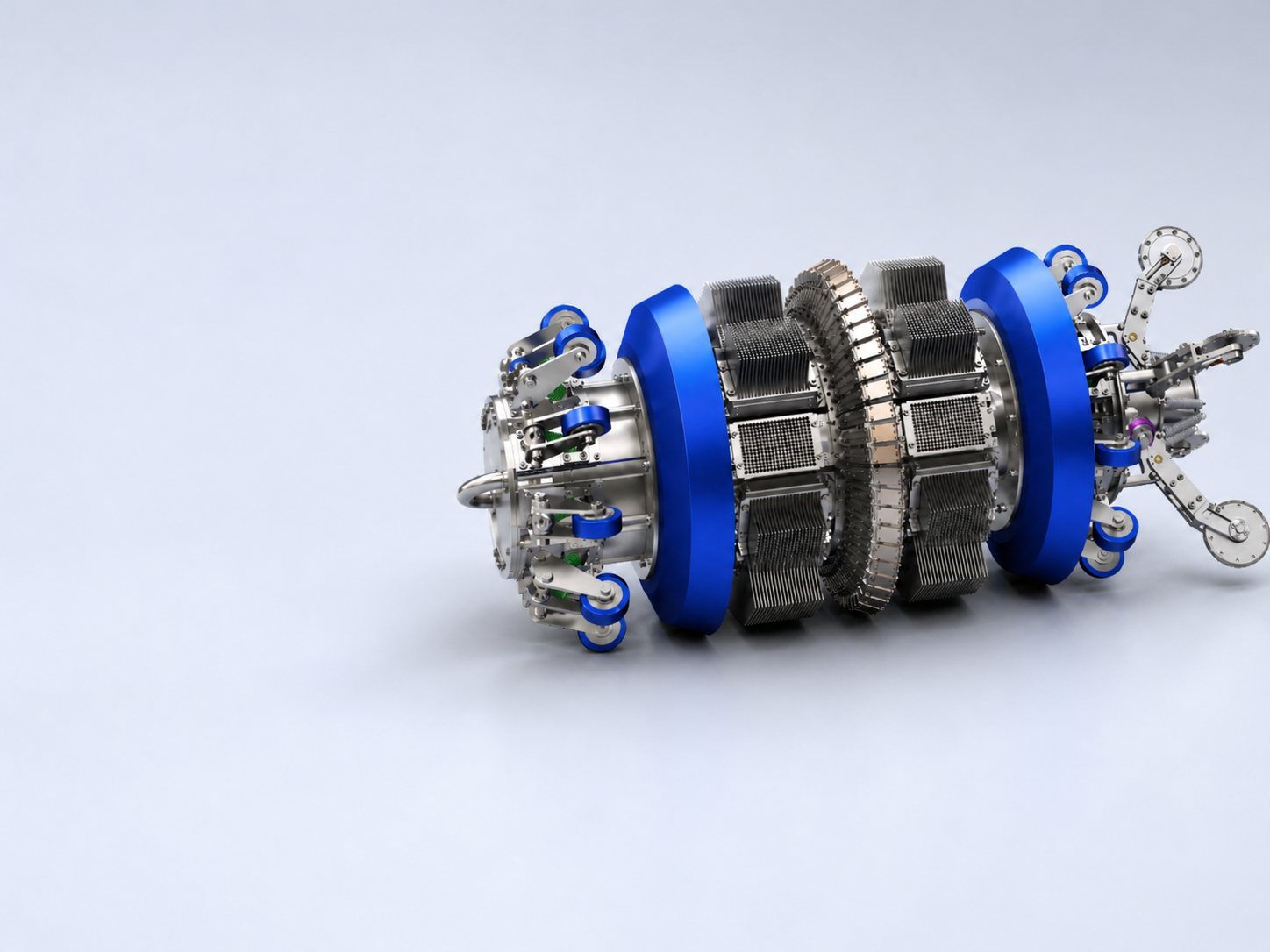
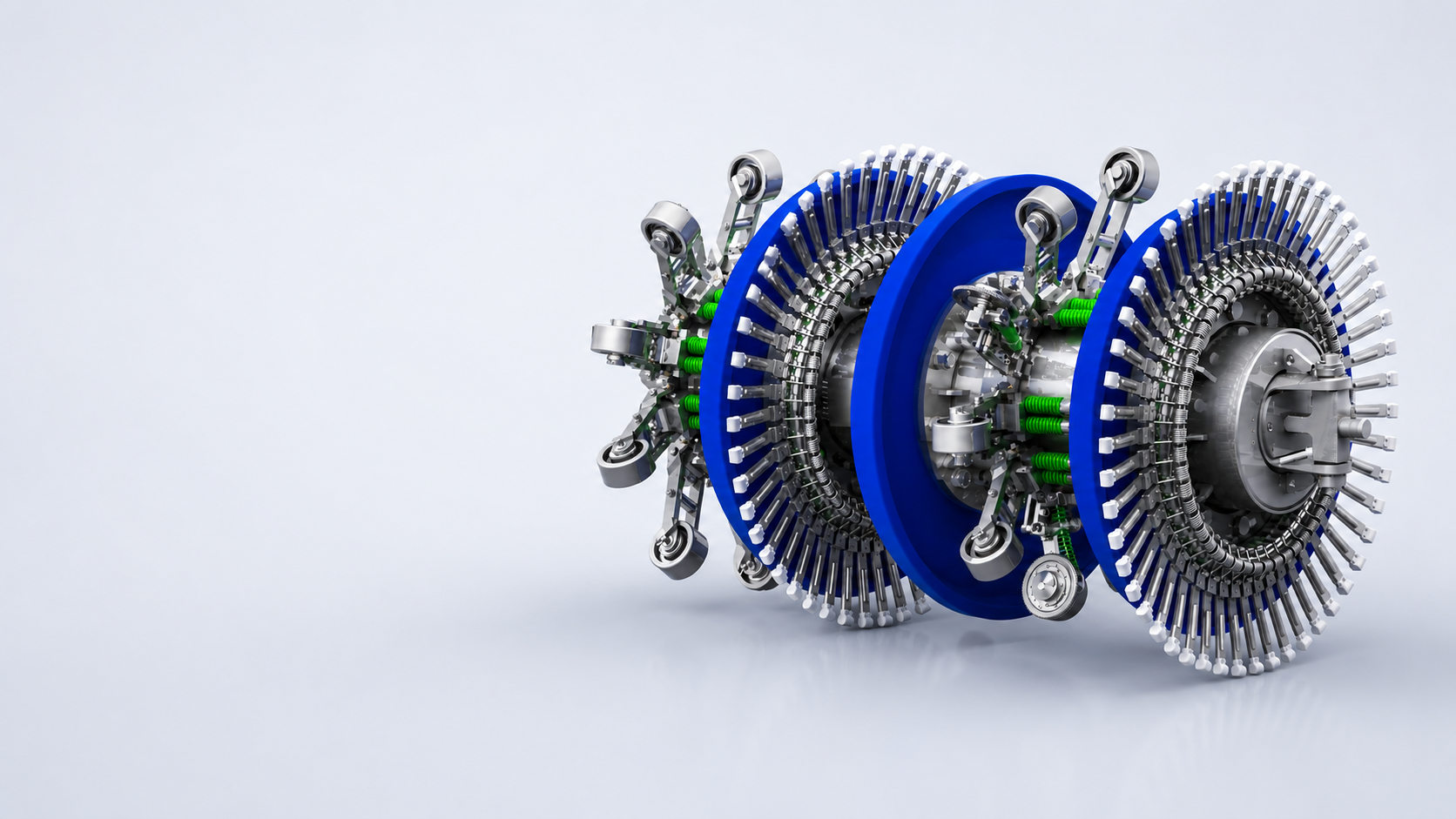
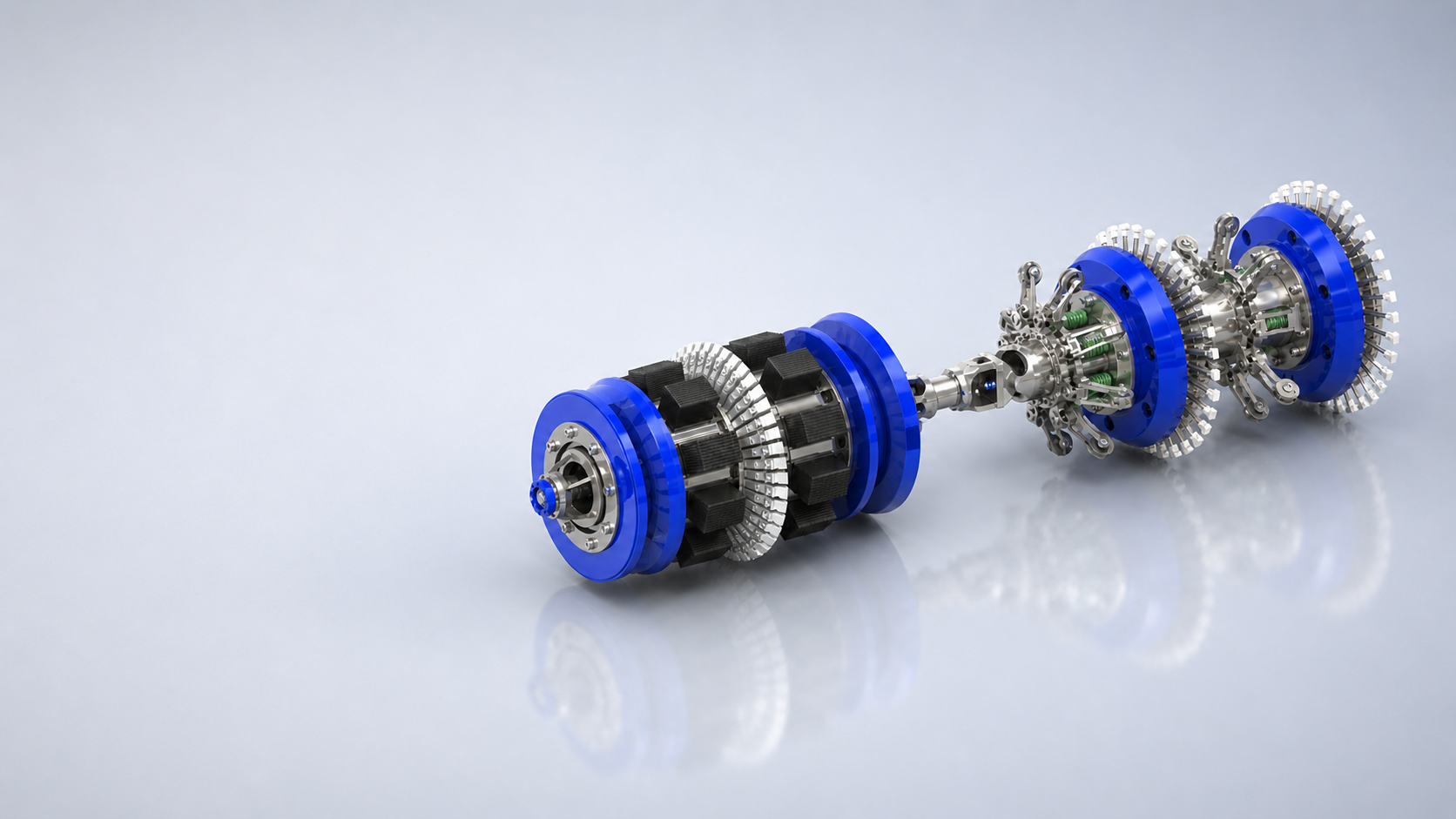
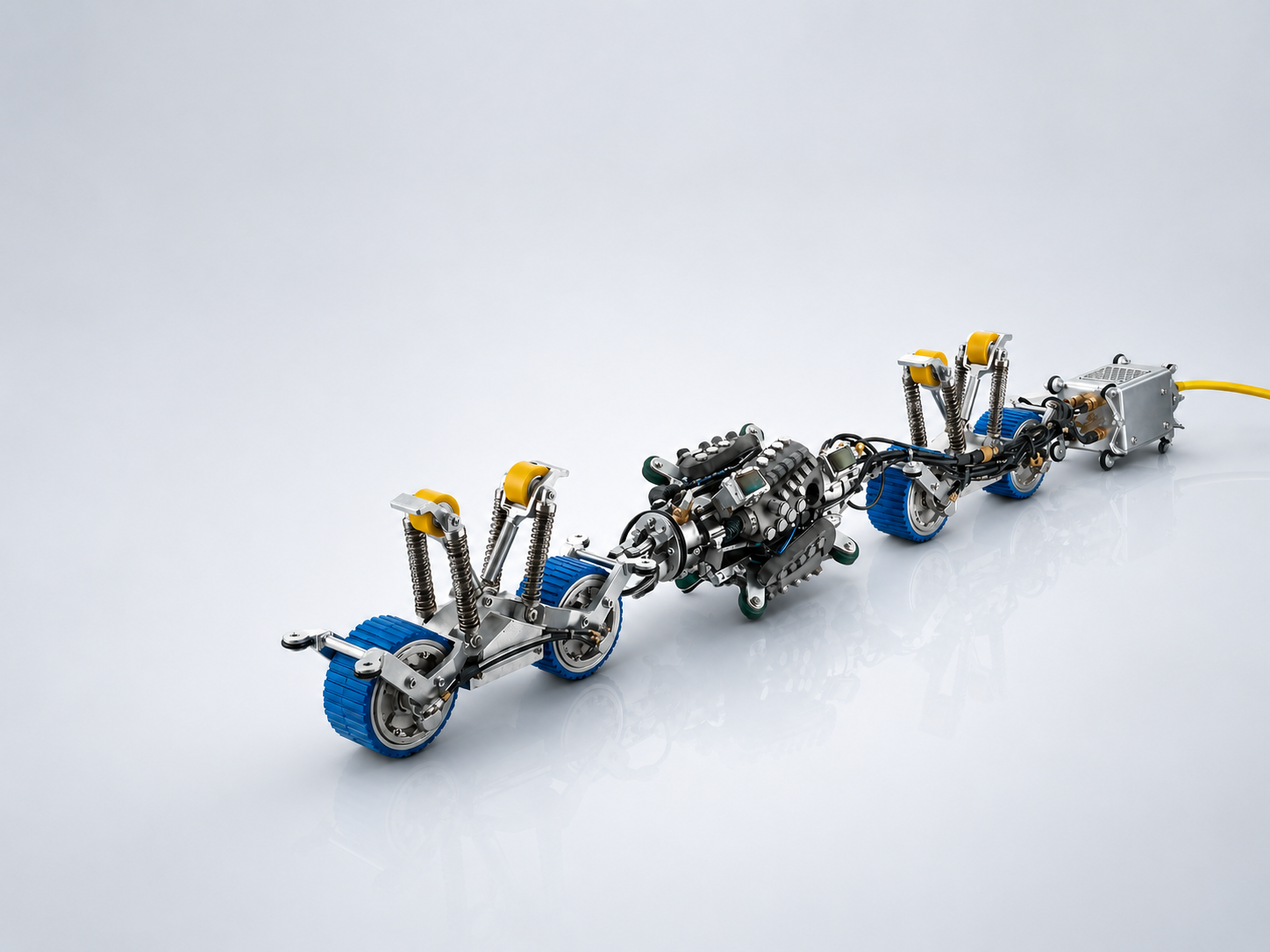
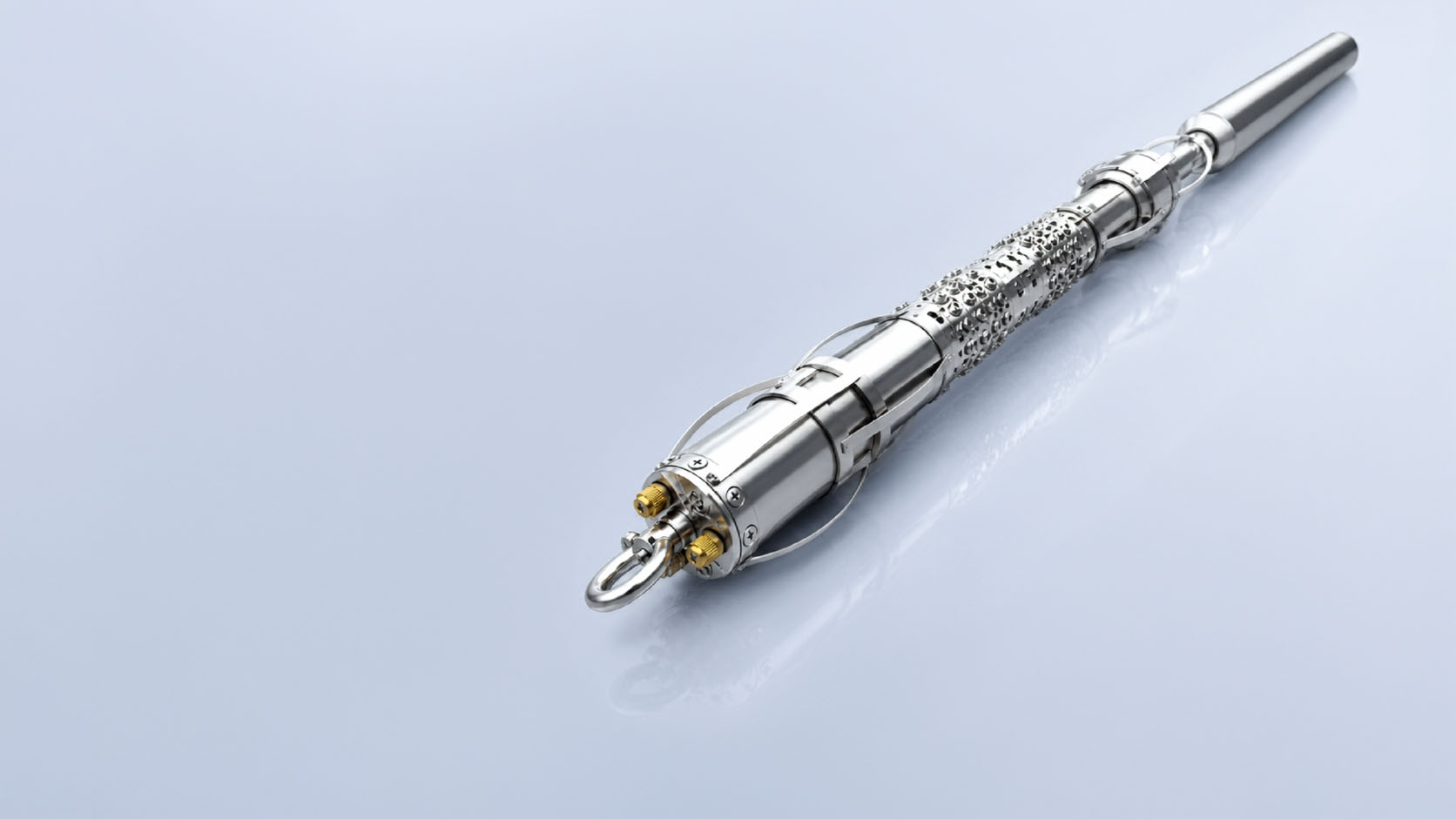
PIPECARE Combo Tools integrate multiple in-line inspection technologies into one platform, allowing operators to assess different threat types in a single run. By combining technologies such as MFL, UT, Caliper, EMAT, and mapping, multi-sensor inspection helps reduce inspection time, support cross-validation, and deliver a more complete pipeline integrity picture.
We use cookies to help you navigate and perform certain functions. You will find detailed information about all cookies under each consert category below. The cookies that are categorized as “Necessary” are stored on your browser as they are essential for enabling the basic functionalities of the site
Necessary cookies are required to enable the basic features of the site, such as providing secure log-in or adjusting your consert preferences. These cookies do not store any personally identifiable data.
Functional
Thank you! Your submission has been received!
Oops! Something went wrong while submitting the form.
Functional cookies help perform certain functionalities like sharing the content of the website on social media platfoems, collecting feedback, and other third-party features.
Analytics
Thank you! Your submission has been received!
Oops! Something went wrong while submitting the form.
Analytical cookies are used to understand how visitors interact with website. These cookies help provide information on metrics such as the number of visitors, bounce rate, traffic source, etc.
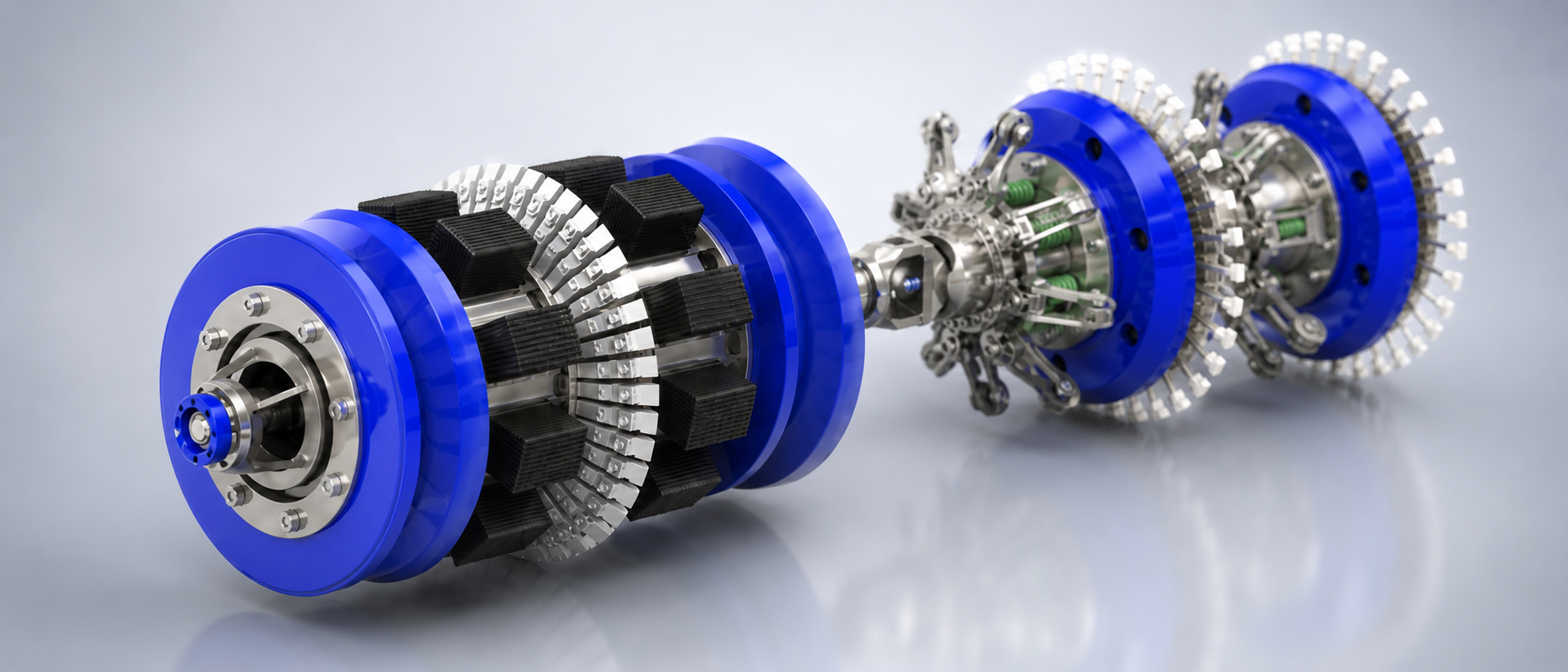
Combo tools integrate two or more inspection technologies — MFL, UT, EMAT, and Caliper — on a single tool train. The combined data set supports interaction-defect analysis (dent-with-metal-loss, corrosion-with-SCC) that single-technology inspection cannot resolve. Single-run combo tool inspection reduces operational disruption, total inspection cost, and the risk of unresolved interaction features.
Each technology occupies a dedicated sensor section of the tool. Data from every section is recorded against the same axial position reference and aligned during processing. Cross-correlation between data sets identifies features detected by more than one sensor type — for example, a Caliper deflection at the same position as an MFL signal is classified as a dent-with-metal-loss interaction. Combined output is reported per API 1163 with feature-by-feature confidence levels.
The magnetizer system is engineered to saturate the pipe wall across the inspection speed range while maintaining sensor coupling for the UT and Caliper sections of the tool. Tool configuration is matched to the pipeline diameter, wall thickness, and product type to deliver consistent signal quality across the full inspection length.
PIPECARE combo tools run as integrated platforms. Each combination is configured to match the pipeline threat profile, diameter, and product type.
Common combinations
A complete threat picture in one inspection.
Pipelines rarely suffer from one single damage mechanism.Corrosion interacts with geometry, cracks can appear near metal loss, and deformation can mask or exaggerate anomalies.
MFL + UT
Uses the same magnetic field to power both MFL and UT systems
No liquid couplant required when combined with EMAT
Excellent for crack-in-corrosion scenarios
Detects very narrow crack openings
MFL + UTWM Combination
Improved sizing accuracy
Cross-validation: MFL detects → UT sizes
Ideal for lines where sizing precision is critical
UT + Caliper Combination
Enables precise correlation between deformation and metal loss
Essential for assessing strain, dent-in-corrosion, and wrinkle threats
MFL + Caliper Combination
Efficient baseline survey for aging assets
Good for long-distance transmission systems
EMAT + Caliper or UT + EMAT
High crack-growth risk pipelines
SCC regions
Pipelines requiring both crack detection + sizing
Dry or coated pipelines
How we work
Technologies
PIPECARE provides In-Line Inspection Services to locate, identify and size these threats and support your integrity management requirements.
We use a whole range of measuring instruments that allow us to detect corrosion, cracks, weld anomalies, and deviations in the shape of pipelines and determine their dimensions.