How to Detect Leakage Using Magnetic Flux Testing

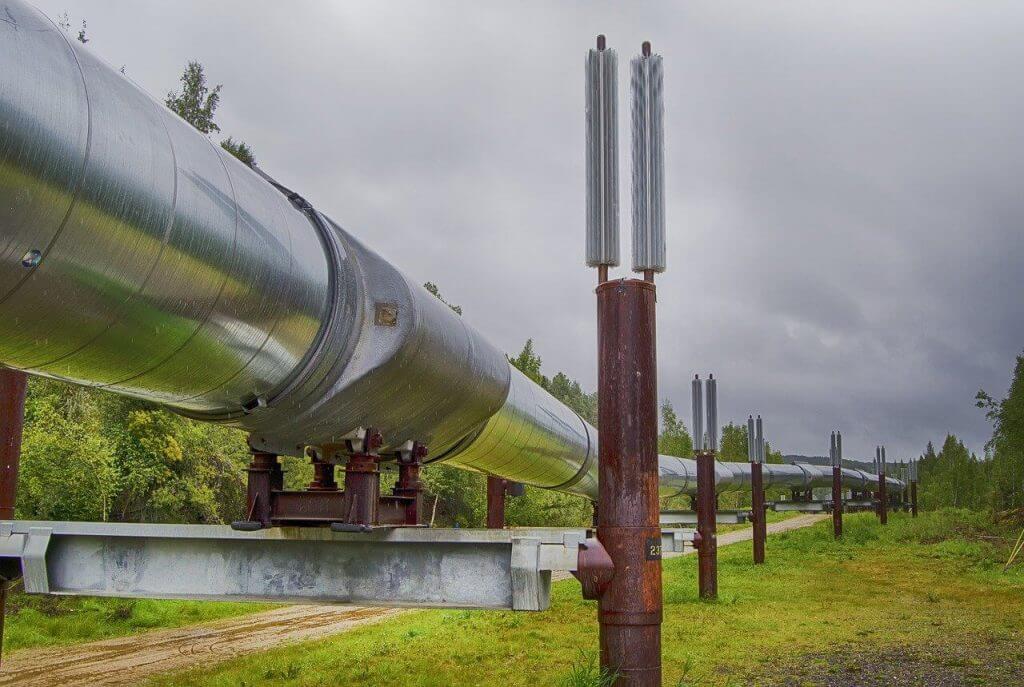
Magnetic Flux Leakage (MFL) is the most widely used in-line inspection method for detecting metal loss, pitting corrosion, and wall thinning in ferromagnetic pipelines. When combined with systematic integrity assessment, MFL data helps operators identify areas at risk of leakage before failures occur.
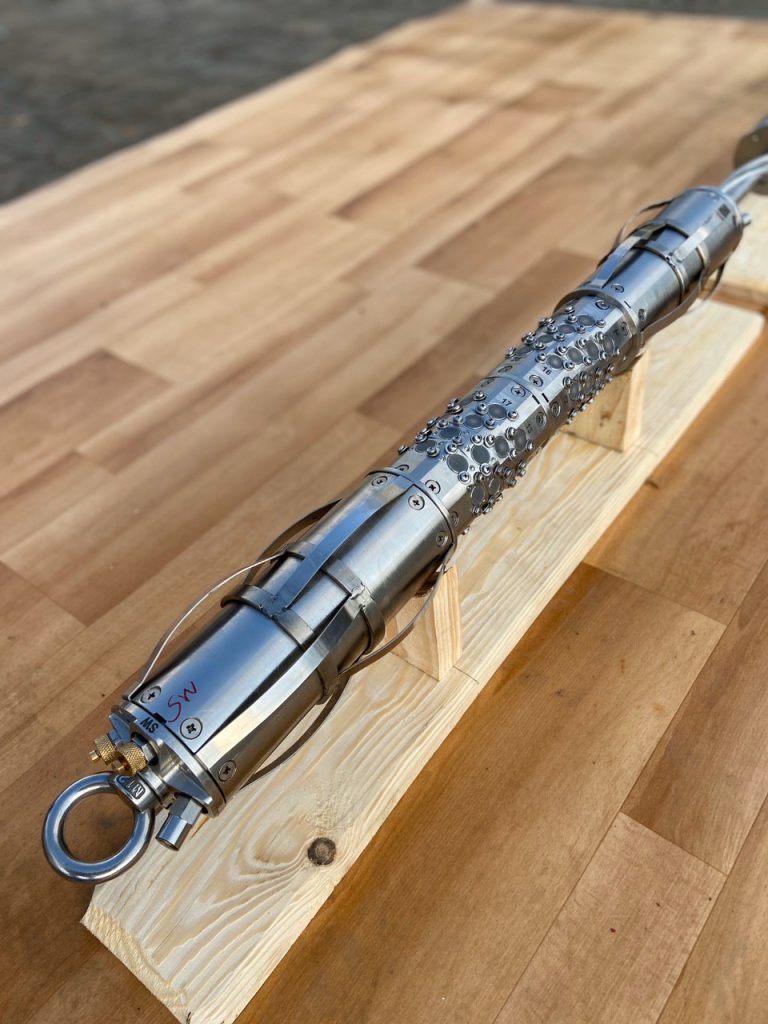
MFL tools work by saturating the pipe wall with an axial magnetic field using permanent magnets. At locations where wall thickness is reduced — from corrosion, pitting, or mechanical damage — the magnetic field leaks out of the pipe surface. Hall-effect sensors arranged around the circumference measure these flux leakage signals, which are processed into depth, length, and width measurements for each anomaly.
PIPECARE operates MFL tools across the full diameter range from 2" to 56" in gas, liquid, and multiphase pipelines, with detection thresholds starting at 10% wall thickness and sizing accuracy of ±0.1t at 90% confidence.